Tracing Deposit Method Influences on Game Type Switching Behaviors in Regulated Mobile Environments
Written by Theo Otto · Nov 27, 2026
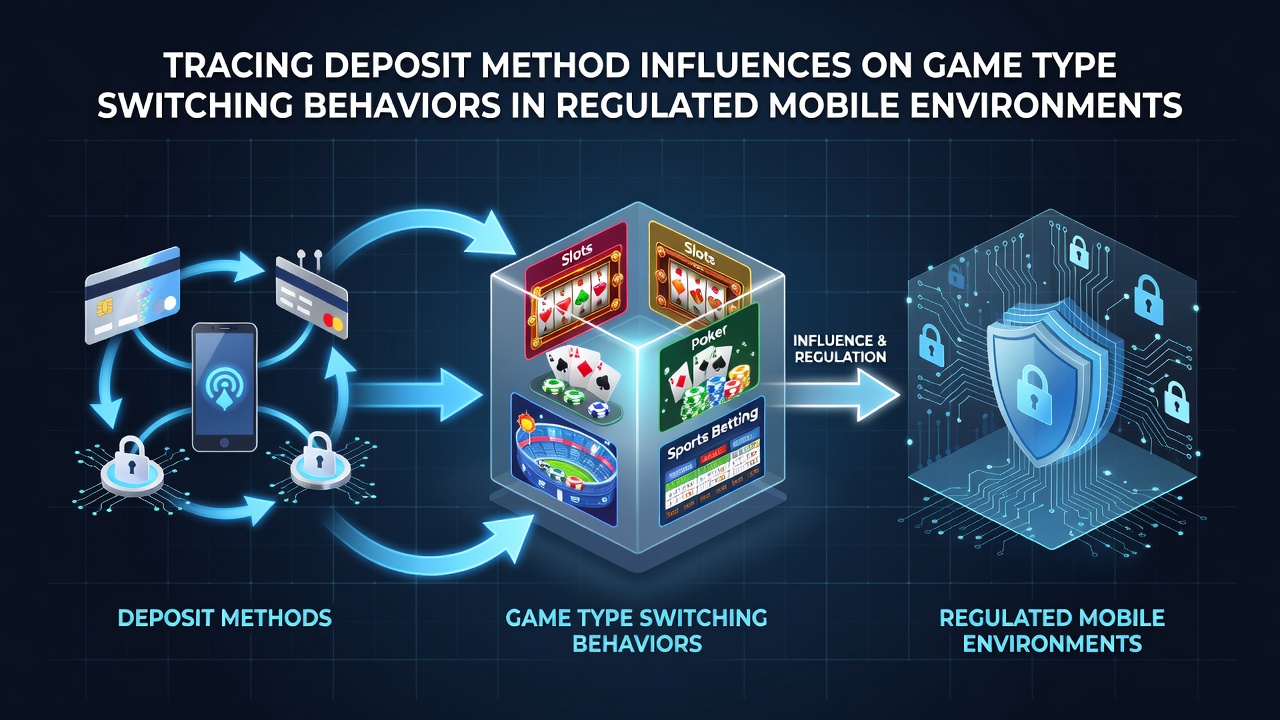
Tracing Deposit Method Influences on Game Type Switching Behaviors in Regulated Mobile Environments
Deposit methods shape how players navigate between game categories on mobile platforms operating under strict regulatory frameworks across multiple jurisdictions, and data from transaction logs combined with session tracking reveal consistent patterns in switching frequencies.
Payment Speed and Initial Game Selection
Transaction completion times vary widely depending on the chosen deposit option, which in turn affects whether users begin with high-volatility slots or shift toward table games within the same session, and regulators in several Canadian provinces have documented these flows through anonymized player data sets released in late 2025.
Instant e-wallet transfers often correlate with quicker transitions into live dealer environments, whereas bank transfers that require additional verification steps tend to keep users on simpler slot titles for longer stretches before any switch occurs, according to aggregated reports from the Alcohol and Gaming Commission of Ontario.
Fee Structures and Cross-Game Movement
Fee schedules attached to certain deposit channels also influence switching rates, since players facing higher costs on smaller transactions frequently consolidate activity into fewer game types rather than experimenting across categories, and figures released by the Australian Communications and Media Authority in November 2026 highlighted measurable differences in multi-game engagement when comparing prepaid card users against cryptocurrency options in state-licensed apps.
Those patterns hold across browser-based and native applications alike, while limits on daily deposit amounts further restrict rapid movement between low-stakes and high-stakes variants once a funding method reaches its cap.
Regulatory Oversight and Data Collection Practices
Provincial and state regulators require operators to log deposit types alongside game-type timestamps, which creates datasets that researchers then use to trace behavioral sequences without accessing individual identities, and one study examining Ontario market activity found that users switching from slots to blackjack within thirty minutes of deposit completion showed a higher proportion of e-wallet funding compared with those who stayed within a single category.
Similar tracking mechanisms appear in Australian state frameworks, where mandatory reporting intervals allow authorities to monitor whether deposit friction alters session composition over time, and the resulting statistics indicate that slower methods reduce the likelihood of late-session switches to progressive jackpot titles.

Regional Variations in Observed Behaviors
North American markets display stronger links between deposit method and early-session switching than some European counterparts, yet the core relationship persists wherever real-time funding verification remains mandatory, and observers note that mobile-specific interfaces amplify these effects because deposit flows occur within the same app window used for game selection.
Additional factors such as bonus wagering requirements tied to particular payment providers can either encourage or discourage movement between game families, depending on whether the terms apply uniformly across slots, video poker, and table games, and compliance teams at licensed operators adjust responsible gaming prompts accordingly when patterns suggest restricted exploration.
Implications for Platform Design and Compliance
Operators integrate these findings into user interface adjustments that surface game recommendations based on deposit method, which keeps activity within approved parameters while still allowing natural exploration, and the same datasets help compliance officers demonstrate adherence to provincial spending limits by showing how funding choices intersect with session length and category diversity.
November 2026 updates to reporting standards in select jurisdictions now require explicit tagging of deposit-to-switch intervals, which should yield finer-grained insights into whether fee waivers or instant verification features alter the frequency of movement between game types over successive months.
Conclusion
Deposit method characteristics continue to serve as reliable predictors of game-type switching in regulated mobile settings, and ongoing data collection across jurisdictions supplies operators and regulators with evidence to refine both product offerings and oversight protocols without compromising player protections already embedded in licensing conditions.