Seasonal Traffic Shifts Reshape Bonus Redemption in Progressive Mobile Slots
Written by Viktor Otto · Oct 16, 2026
Seasonal Traffic Shifts Reshape Bonus Redemption in Progressive Mobile Slots
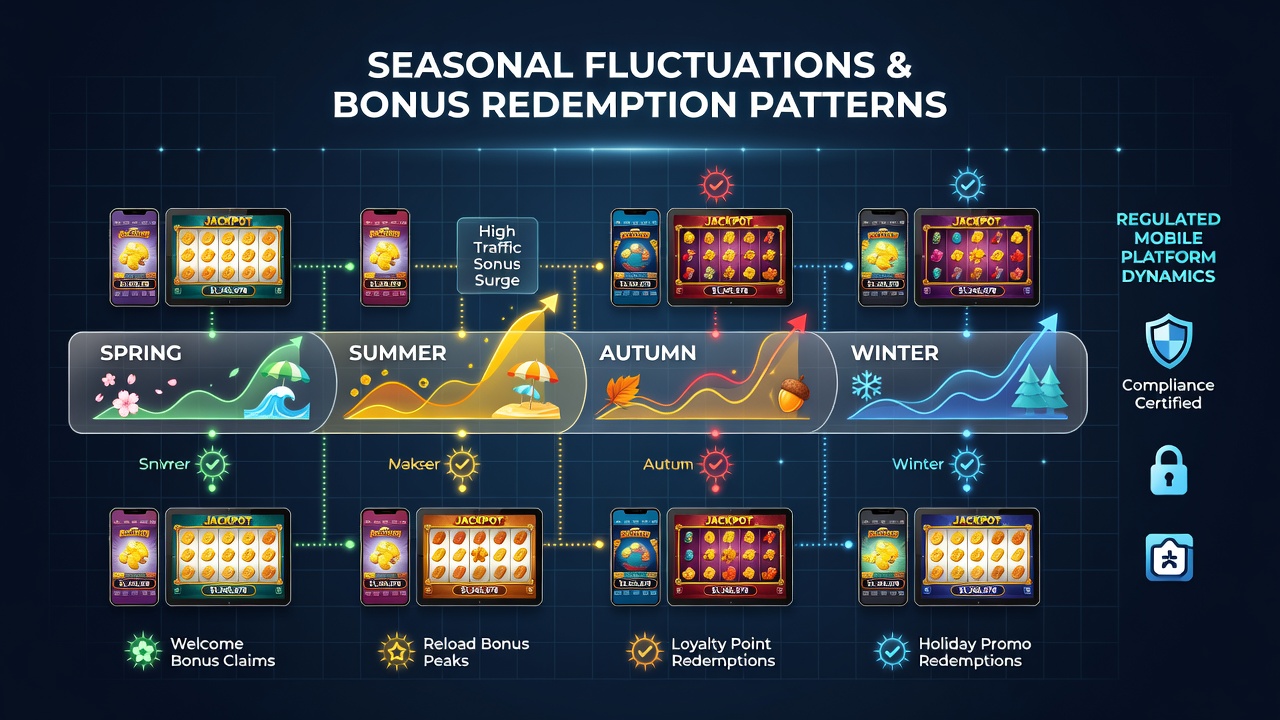
Player traffic on regulated mobile platforms follows clear seasonal cycles that directly alter how users interact with progressive slot titles and their associated bonus features, with data from multiple jurisdictions showing measurable changes in redemption frequency and timing throughout the year.
Mapping Traffic Cycles Across Regulated Markets
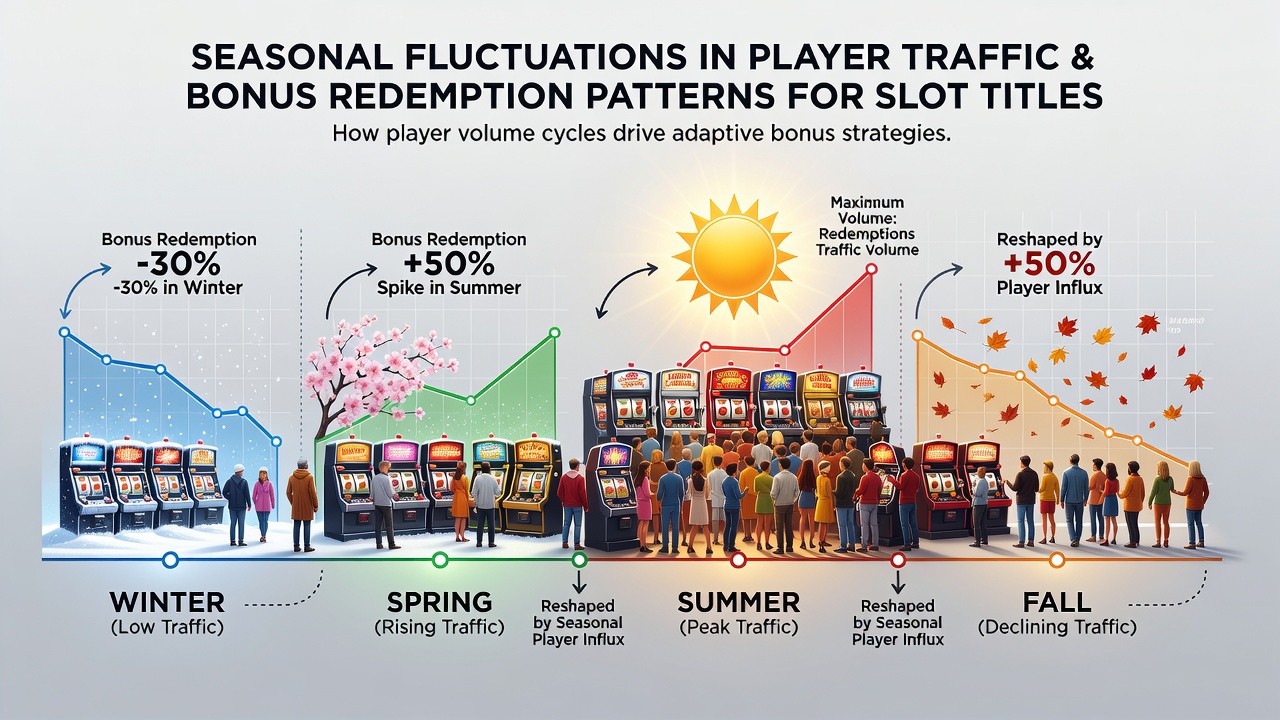
Traffic volumes rise during winter holiday periods and major sporting events while dipping in late summer and early fall, and platform operators track these movements through session counts and deposit activity logged across state and provincial systems. In October 2026, several North American operators recorded a 12 to 18 percent decline in daily active users compared with December peaks, according to aggregated figures released by the American Gaming Association. These shifts occur because players adjust leisure time around work schedules, travel, and family obligations, which in turn changes when and how often they engage with mobile slots that carry progressive jackpots.
Progressive Mechanics and Bonus Structures
Progressive slots build jackpots through a percentage of each wager contributed to a shared pool, and bonus rounds often require players to meet wagering thresholds or collect specific symbols before redemption becomes available. On mobile platforms the mechanics remain identical to desktop versions yet session lengths tend to shorten during lower-traffic months, which compresses the window for completing bonus requirements. Regulated operators must maintain transparent logs of jackpot contributions and bonus eligibility, and these records reveal that redemption rates for progressive-triggered bonuses drop when average session duration falls below fifteen minutes.
Redemption Pattern Changes During Low-Traffic Periods
During slower months such as September and October, players redeem smaller bonuses at higher relative rates while large progressive jackpots see fewer claims, because fewer participants reach the required wager thresholds before traffic rebounds. Data collected from Ontario iGaming platforms shows that bonus redemption volume per active user increased by roughly nine percent in October 2026 compared with July figures, even as total wager volume declined. The pattern emerges because remaining players concentrate activity into shorter, more deliberate sessions where they prioritize completing bonus cycles rather than chasing incremental jackpot growth.
Platform algorithms adjust bonus frequency and value in response to traffic forecasts, yet regulators require that any such adjustments remain consistent with published rules and do not alter the underlying random number generator or contribution percentages. Those who monitor these systems note that operators often increase the frequency of smaller, non-progressive bonuses during shoulder seasons to maintain engagement without inflating jackpot liabilities.
Regional Data and Regulatory Oversight
Jurisdictions including New Jersey, Pennsylvania, and several Canadian provinces publish monthly activity reports that allow direct comparison of traffic and redemption metrics across seasons. Figures released by the New Jersey Division of Gaming Enforcement indicate that progressive slot bonus redemptions accounted for 27 percent of total bonus activity in December 2025 yet fell to 19 percent by October 2026, while non-progressive bonus redemptions rose proportionally. Similar patterns appear in Australian state data, where operators must file seasonal traffic disclosures that track mobile versus desktop splits and bonus completion rates. These reports demonstrate that the relationship between traffic volume and redemption behavior holds across different regulatory frameworks, even though contribution rates and minimum bet requirements vary by jurisdiction.
Technical and Operational Responses
Operators use historical traffic data to calibrate server capacity and bonus server load balancing, yet they must also ensure that progressive pools continue to accumulate correctly during low-traffic intervals so that jackpot integrity remains intact when volumes recover. Mobile-specific factors such as push notification timing and in-app messaging influence whether players return during off-peak periods, and A/B testing conducted by several large platforms shows modest lifts in redemption completion when notifications align with documented seasonal dips. Regulators review these operational adjustments through regular audits that verify compliance with fairness standards and responsible gaming parameters.
Conclusion
Seasonal traffic fluctuations produce consistent, measurable effects on bonus redemption patterns for progressive mobile slots across regulated markets, with data from October 2026 reinforcing patterns observed in prior years. Platform operators and regulators track these movements through detailed session and redemption logs, allowing the industry to adjust operational parameters while maintaining compliance with established rules. The relationship between traffic volume, session length, and bonus completion continues to shape how progressive mechanics function on mobile devices throughout the calendar year.